No matter the instrument you decide to take on, you are committing to mastering a new language.
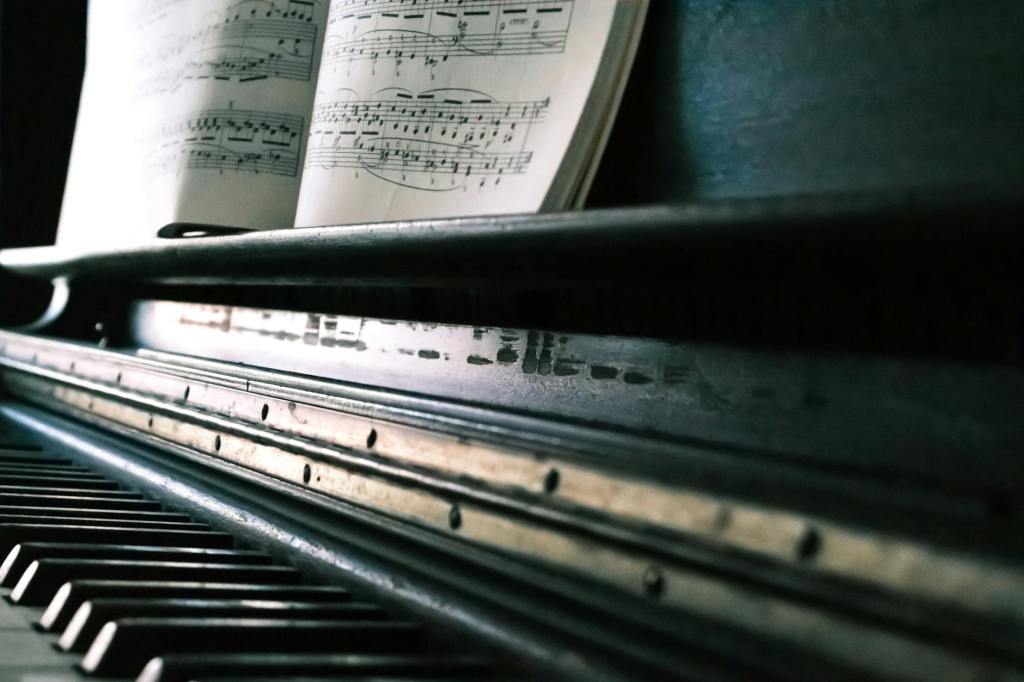
As a kid, I had never thought much of the piano in my house. Like any kid, I banged a key here and there without really thinking much more about it. It was an old piano with damaged ivory keys and a twang to its sound that set it apart from the pianos at church. Lower and higher keys, when hit, scratched my spine in an uncomfortable way, indicating it needed some tuning. But other than that, the piano had never interested me.
Then, when the sister right above me began taking lessons, I remember wondering what it was all about. I took a look at her level 1 Bastien piano book. On the first pages, I saw the grand staff with notes lined up diagonally stretching from the bottom line of one staff all the way up to the highest line on the top staff. I looked at it, reading the text explaining what I was looking at. It made immediate sense.
Piano notation is the one foreign language that has come easily to me. To some people programming a computer comes easily. Others take well to drawing, illustration, animation, grammar, rhythm, and more. The key is understanding that we all learn these artistic languages differently. And that’s okay.
If you want to learn the piano, it is helpful to look at it as more than just music. What you hear when others play a musical instrument is much more than sound. It is the translation of the language of music by the one playing it. Understanding this prepares you to persevere when the language seems to stand in the way of you achieving success. Knowing that, just like any spoken foreign language, the piano will come to you with time, patience, and practice.
 bethanytolley.com
Leave a comment